

Five Aspects : ค้นหาหนังสือธรรมะ หน้า 3 / 3
หน้าหนังสือทั้งหมด
146
Truth for the Family: The Five Precepts
Part Five: Truth for the Family
of infringing upon all the other precepts. Hence, the
Fifth Precept reminds us not to consume intoxicants
to maintain our true nature.
Thus the Five Precepts are:
1. Do
The Five Precepts offer a framework for living an ethical life that enhances our humanity. They include refraining from killing, stealing, adultery, lying, and consuming intoxicants. Adhering to these

147
Truth for the Family
Part Five: Truth for the Family
ourselves and the society in which we live. If we do not care
to teach our children to abide by the Five Precepts, there is
no hope that society will improve. The hope
In this section, we explore the critical role of the Five Precepts in shaping our children's futures and the overall well-being of society. By instilling these values, families can contribute to raisi
186
Understanding the Five Precepts and Spiritual Cultivation
Part Seven: Appendixes
All of these precepts are meant to decrease kilesa,
especially sexual desire and allow us to focus on spiritual
cultivation.
Five Precepts: five rules of conduct that we can cho
This section discusses the Five Precepts aimed at reducing kilesa, particularly sexual desire, fostering spiritual growth. The Five Precepts include refraining from killing, stealing, sexual misconduc
138
The Nature of Human Beings
What is the Nature of Human Beings?
The nature of human beings consists of five characteristics.
1. By nature, humans will not kill.
A human who takes life has deviated from the nature of humankind.
The text discusses the fundamental nature of human beings, emphasizing five key characteristics that define humanity. The first precept highlights the importance of not killing, suggesting that violen
55
English for Buddhism Lovers
English for Buddhism Lovers
เรื่อง : ดร.อภิคร รถวาคู
artwork : แนว
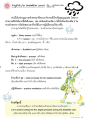
ช่วงนี้เป็นช่วงฤดูลากเข้าสงที่พวกเราคงจะตั้งใจเพิ่มพูนบุญกุศล โดยการทำความดีการให้มากขึ้นใช่ไหมคะ เช่น ปฏิบคยรักศีล 5 ถึงใจที่จะรัก
During the rainy season, we focus on increasing our good deeds and following precepts. This article provides English vocabulary related to Buddhist practices, including the five and eight precepts, en
18
Kaladana Sutta: Seasonable Gifts
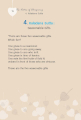
4. Kaladana Sutta:
Seasonable Gifts
"There are these five seasonable gifts.
Which five?
One gives to a newcomer.
One gives to one going away.
One gives to one who is ill.
One gives in time
Kaladana Sutta outlines five important seasonable gifts: giving to a newcomer, someone departing, an ill person, in times of famine, and offering first fruits to virtuous individuals. These gifts emph

82
Bhojana Sutta: The Significance of Giving a Meal
8. Bhojana Sutta:
A Meal
"In giving a meal, the donor gives five things to the recipient
Which five? He/she gives life, beauty, happiness, strength, & quick - wittedness.
Having given life, he/sh
The Bhojana Sutta highlights the spiritual significance of giving a meal, describing how the donor, by providing food, imparts five essential qualities to the recipient: life, beauty, happiness, stren
69
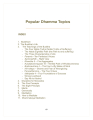
Popular Dhamma Topics
Popular Dhamma Topics
INDEX
1. Buddhism
2. The Buddha’s Life
3. The Teachings of the Buddha
- The Four Noble Truths (Noble Truths of Suffering)
- The Noble Eightfold Path (the Path to end suffe
This page provides an index of popular Dhamma topics within Buddhism. It covers key concepts such as the Buddha's life, core teachings like the Four Noble Truths and the Noble Eightfold Path, and esse
82
Hiri-Ottapa: Understanding Shame and Fear of Wrongdoing
Hiri-ottapa – Shame and Fear of Wrongdoing
Hiri and ottapa are Pali words, meaning ‘shame of wrongdoing’ (hiri) and ‘fearful of the consequence of wrongdoing’ (ottapa). One who has hiri-ottapa is one
Hiri and Ottapa are pivotal concepts in Buddhism, representing the shame of wrongdoing and the fear of its consequences. Together, they foster a good moral conscience. Individuals devoid of these trai
86
The Five Precepts of Buddhism
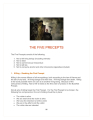
THE FIVE PRECEPTS
The Five Precepts consist of the following:
1. Not to kill living beings (including animals)
2. Not to steal
3. Not to commit sexual misconduct
4. Not to tell lies
5. Not to consume
The Five Precepts in Buddhism outline ethical guidelines for practitioners, emphasizing respect for life among other moral behaviors. The First Precept, which prohibits killing, is noted as the graves
72
The Tale of She-Goblins and Shipwrecked Traders
Now it happened once that five hundred shipwrecked traders were cast ashore near the city of these she-goblins. The goblins came up to them and enticed them, till they brought them to their city; thos
The narrative unfolds as five hundred shipwrecked traders find themselves near a city inhabited by she-goblins. The goblins lure the traders into their city, binding some with magical chains and impri
5
A Comparative Study on Patterns of Mind Development in Thai Society
ธรรมหาธรรม
วาสนาวิชาการทางพระพุทธศาสนา ปีที่ 6 ฉบับที่ 1 (ฉบับรวมที่ 10) ปี 2563
A Comparative study on Patterns of Mind Development of Five Meditation Lineages in Thai Society
Phramaha Wutthichai W
งานวิจัยนี้มีวัตถุประสงค์ 3 ประการ ได้แก่ การศึกษาหลักการพัฒนาจิตตามพระไตรปิฎกเถรวาท การศึกษาการพัฒนาจิตในลัทธิสมาธิ 5 ลัทธิในสังคมไทย และการเปรียบเทียบรูปแบบการพัฒนาจิตในลัทธิสมาธิทั้ง 5 งานนี้ใช้เอก
22
Understanding the Dhammacakkapavattana Sutta
For as long as the components were separated, they could not be called a wheel. Just as, a skilled wheelwright can assemble the components to make a strong wheel ready to be put to work, the Buddha, t
The Dhammacakkapavattana Sutta marks the first sermon of Buddha, articulating the foundational teachings that guide practitioners towards liberation. This sermon, unique in its singular delivery, enca
31
Dhammacakkappavattana Sutta: The Sermon
Dhammacakkappavattana Sutta:
The Sermon
Something which you will find at the beginning of every sutta are Aṅanda’s words 'Evam.e sutam...': i.e. ‘Thus have I heard (directly from the Lord Buddha)
The Dhammacakkappavattana Sutta begins with Aṅanda's phrase 'Thus have I heard' and recounts the Buddha's teachings delivered at the Isipatana Deer Park. The Blessed One addresses the group of five mo
32
Metaphors of Sensual Indulgence
Commentorial Metaphors: Indulgence in sensual pleasures:
1. A pig content to wallow in dung: Indulging in sensual pleasures is rather like a pig, which spends all its life wallowing in the warm mud an
This text delves into various metaphors that depict the indulgence in sensual pleasures as detrimental and unfulfilling. Comparing such indulgence to a pig in dung, a rotting corpse, and a dog with bo
160
Abstention from Killing in Buddhism
4.1 Abstention from killing
Evil actions can be abstained from in any of the following three different ways:
1. abstention on the spur of the moment [sampattauirati];
2. abstention by having requested
This text discusses various ways one can abstain from killing, highlighting three methods: spontaneous abstention, preemptive abstention through the Five Precepts, and transcendent abstention. Illustr
175
Monitoring and Discretional Mindfulness
7.1 Monitoring Mindfulness
This form of mindfulness is mindfulness that is constantly monitoring the level of wholesomeness in the mind — never letting wholesomeness slip away from the mind and its in
Monitoring mindfulness involves a constant awareness of the wholesomeness in the mind, akin to a treasurer who tracks the assets of an emperor. It encompasses the recognition of various virtues essent
224
Insights on Suffering and Enlightenment
execution, suffering of at death 68
Existence, Cycle of 9, 16, 37, 178, 185-6
extinction of craving, transcendental 100, 115, 175
Extinction of Suffering, Noble Truth of(see Cessation of Suffering, No
This text delves into pivotal Buddhist doctrines centered around suffering and enlightenment. It discusses the cycle of existence and the importance of overcoming craving. With references to meditativ

72
การเผยแผ่ธรรมะในสิงคโปร์
An interview was conducted and edited
by suwanee srisopa
DHAMMAKĀYA
IS THE
ADMIRATION
OF SINGAPORE
๗๐ กัลยาณมิตร
Kalyānamitta Magazine has already
published the story of Ms. Quinine Tao
in the April
An interview was conducted and edited by suwanee srisopa DHAMMAKĀYA IS THE ADMIRATION OF SINGAPORE ๗๐ กัลยาณมิตร Kalyānamitta Magazine has already published the story of Ms. Quinine Tao in the April a

85
หลุมที่ ๖ — วารสารกัลยาณมิตร ปี 2533 ฉบับที่ 8 หน้า 85
หลุมที่ ๖
GRAVE SIX GRAVE FIVE
หลุมที่ ๕
GRAVE THREE
หลุมที่ ๓
GRAVE TWO
GRAVE ONE
หลุมที่ ๒
หลุมที่ ๑
Q
THREE
SIX
350 B.C.
FOUR
ONE
A.D. 100 Two
7
1200 B.C.
1000 B.C.
FIVE
กัลยาณมิตร ๘๓
หลุมที่ ๖
GRAVE SIX GRAVE FIVE
หลุมที่ ๕
GRAVE THREE
หลุมที่ ๓
GRAVE TWO
GRAVE ONE
หลุมที่ ๒
หลุมที่ ๑
Q
THREE
SIX
350 B.C.
FOUR
ONE
A.D. 100 Two
1200 B.C.
1000 B.C.
FIVE
กัลยาณมิตร ๘๓